Why We Still Camp: What Teahouse Trekking Doesn't Give You
Walk any of Nepal's popular trekking corridors today - Everest, Annapurna, Langtang - and you'll pass teahouse after teahouse, offering a bed, a hot shower, and Wi-Fi at the end of the day. It's convenient. It's also, we'd argue, not really trekking in the way it used to be.
We still run camping treks. Not because it's easier - it's genuinely more work, for us and for you - but because it gives you something a lodge bed can't.
You Choose Where You Stop
Teahouse trekking means your itinerary is quietly dictated by where the lodges happen to be. Camping means our cooking crew can set up wherever the route, the views, and the acclimatization schedule actually call for - not wherever someone built a guesthouse forty years ago.
Real Wilderness, not a Village Circuit
Many of the more developed trekking routes in Nepal now pass through a near-continuous string of villages. Camping routes can push further from that development, into terrain that genuinely feels remote - the kind of low-traffic trail experience that's getting harder to find on the busier circuits.
A Team That's Actually with You
On a camping trek, your guide, cook crew, and porters aren't handing you off to a different lodge owner each night. It's the same team, the whole way - people who know exactly how you're doing on day nine because they've been watching since day one.
It's Not for Everyone, and That's Fine
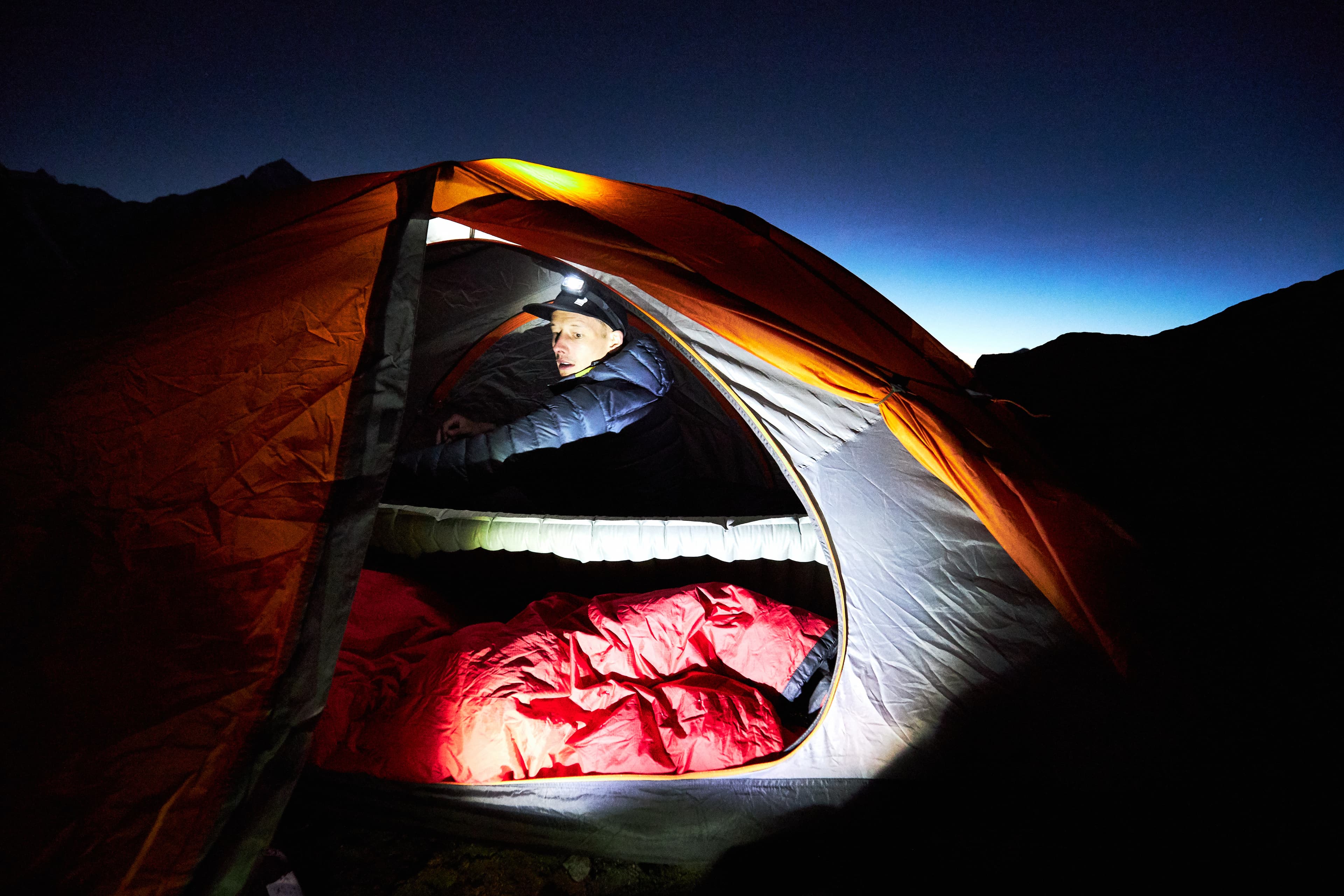
Camping treks ask more of you. There's no hot shower waiting most nights, and you're sleeping on the ground instead of a mattress. If comfort is the priority, teahouse trekking is a completely valid way to see these mountains.
But if you want the version of trekking that first drew people to Nepal decades ago - slower, more self-contained, further from the crowds - camping is still, we think, the better way to do it. It's the only way we've ever wanted to run this company.