Everest Base Camp: A First-Timer's Honest Guide
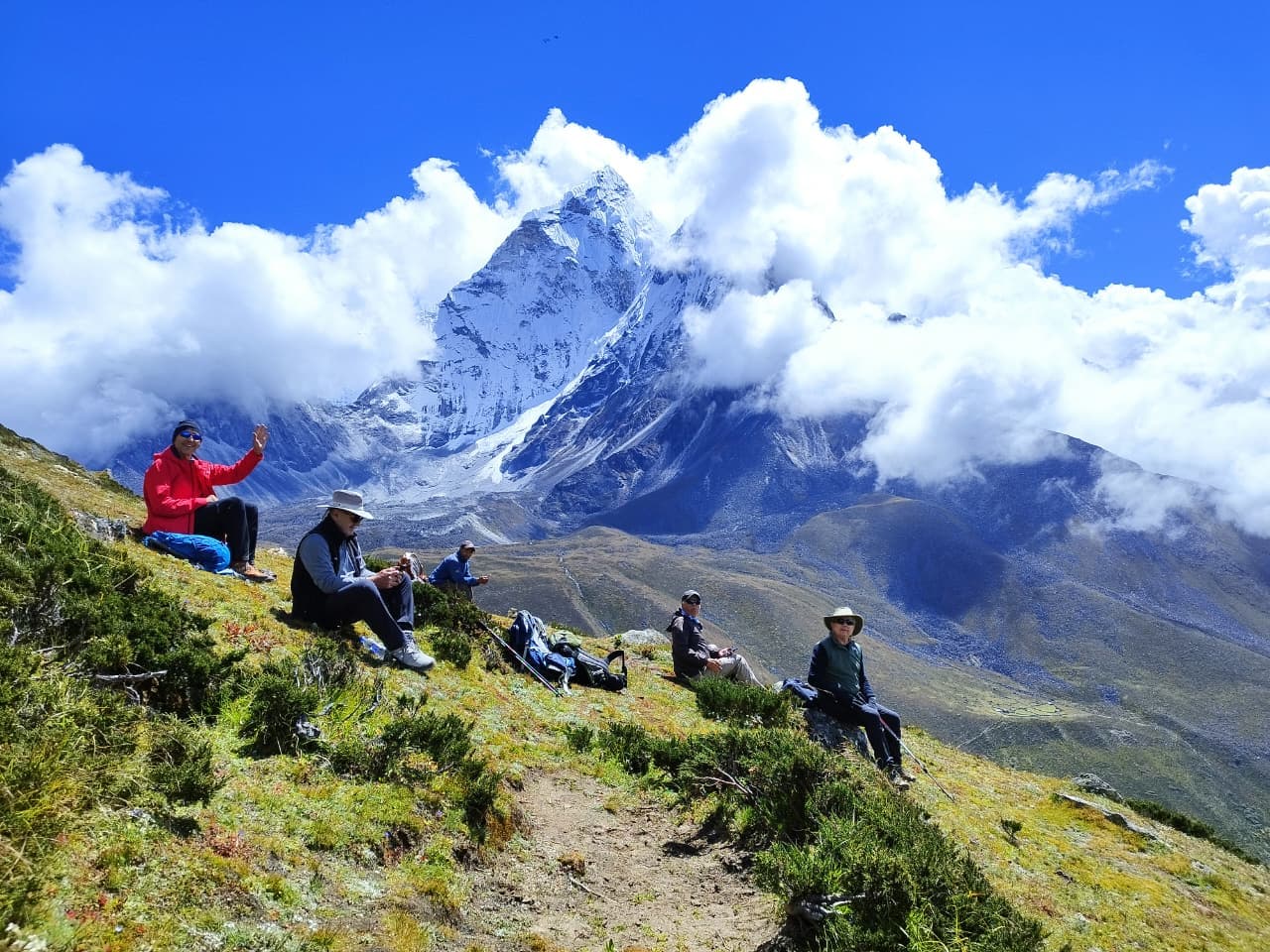
Everest Base Camp has a way of humbling even the most prepared trekkers. It isn't a technical climb — there's no rope, no ice axe, no summit push. What it demands instead is patience: with the altitude, with the pace, and with yourself on the days when the trail feels endless and the air feels thin.
The First Few Days Are Deceptively Easy
Flying into Lukla and walking through Phakding and Namche Bazaar, most trekkers feel invincible. The trail is well-graded, the villages are lively, and the altitude hasn't started asking questions yet. This is exactly when discipline matters most — resist the urge to rush ahead of your itinerary's acclimatization days, even if your legs feel fresh.
Altitude Doesn't Care How Fit You Are
We've guided marathon runners who struggled past 4,000m and casual walkers who sailed through without a headache. Altitude sickness isn't about fitness — it's about pace and hydration. "Climb high, sleep low" isn't a slogan, it's the single most important rule on this trek.
The Days That Test You
Somewhere between Dingboche and Lobuche, most people hit a wall — not physically, but mentally. The landscape turns stark, the villages thin out, and the finish line still feels impossibly far. This is normal. It passes. And the view from Kala Patthar at sunrise makes every one of those hard days worth it.
If you're considering this trek for the first time, our advice is simple: trust your itinerary's acclimatization schedule, listen to your guide, and don't compare your pace to anyone else's. The mountain isn't going anywhere.